The address
What is a URL?
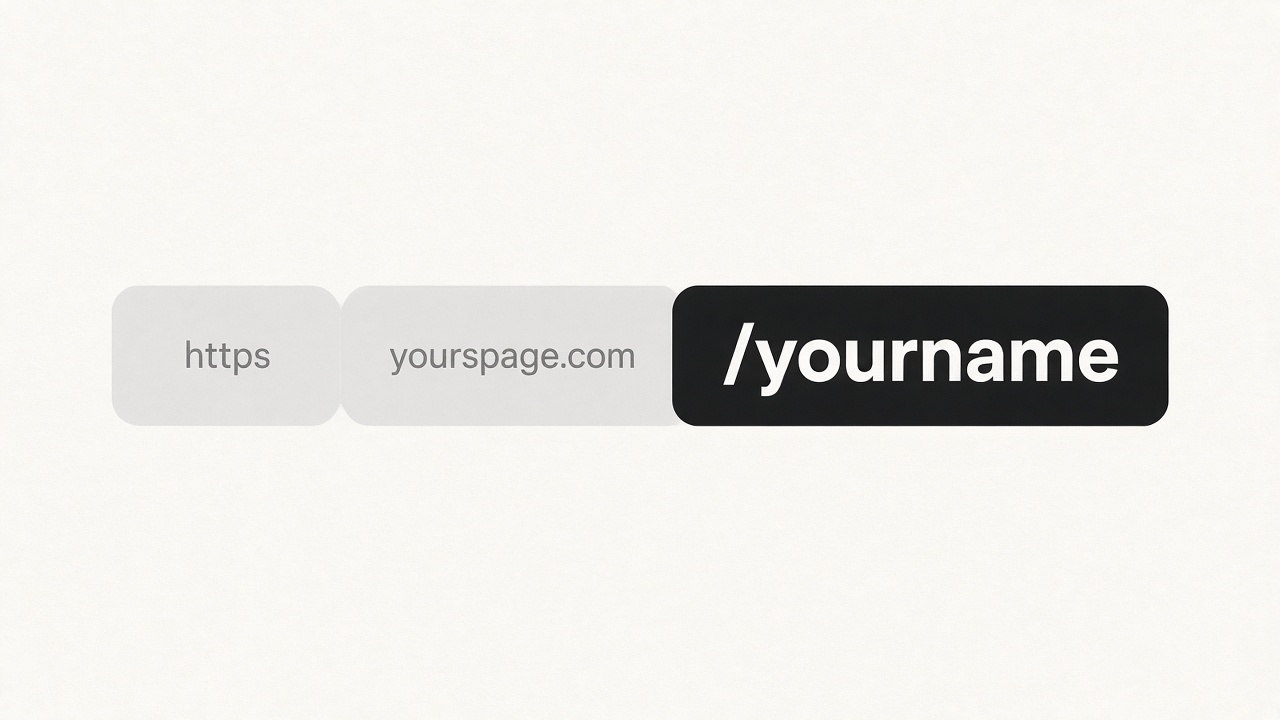
A URL is one address that opens one page. Type it, paste it, or tap it, and the browser requests that page. On Page, the address is https://yourspage.com/yourname. The scheme, the host, and the path name it. A question mark and a hash are optional. The page opens without them.
One address, one page
A URL names one page. Open it, and that is the page you get. It does not bounce you onward to some other address.
On Page, the username form is https://yourspage.com/yourname. That is the link you paste. Instagram, TikTok, X, YouTube, LinkedIn, GitHub, and Substack each have a place for one website. That place gets this URL. Where those fields sit is on the share page, and the same job is described on link in bio.
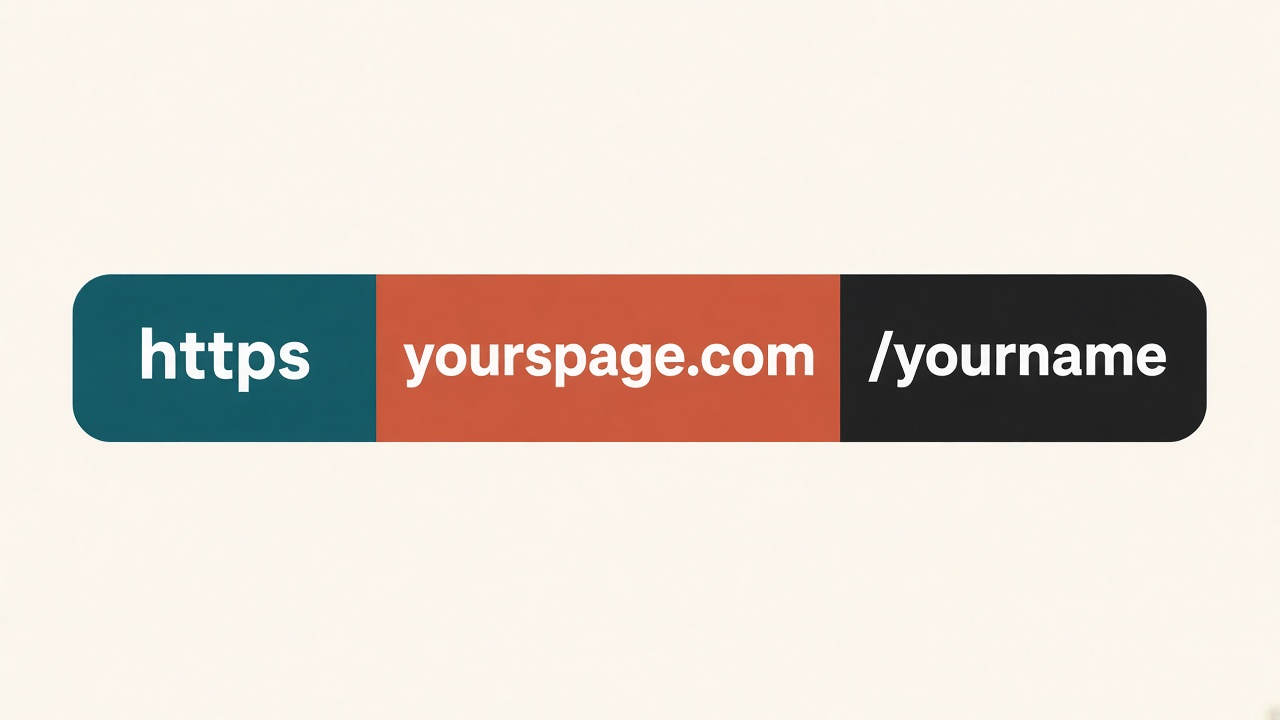
The scheme is https
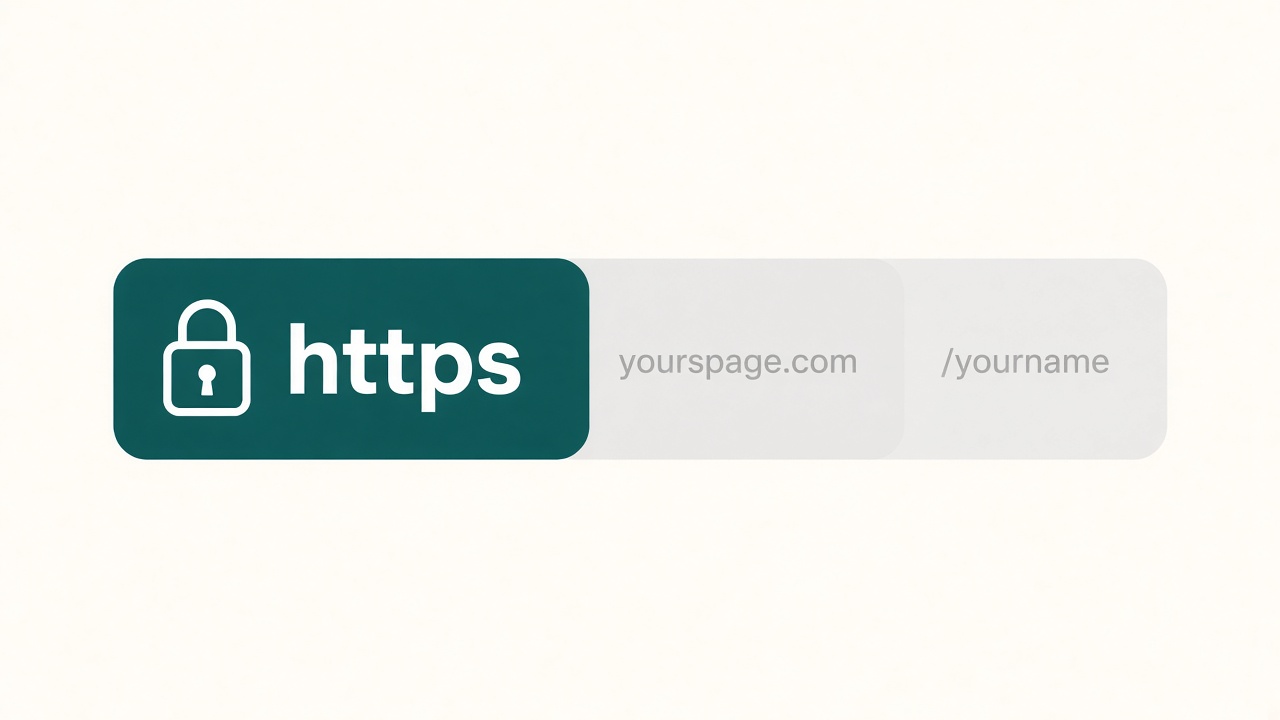
The scheme is the piece before the colon. In https://yourspage.com/yourname it is https. It tells the browser to open an encrypted connection. That connection is why a browser can show a lock.
When the host is a name you already own, SSL is included when you publish. There is no certificate fee from us. You still pay the registrar for the name. The record is on the custom domain page.
The host
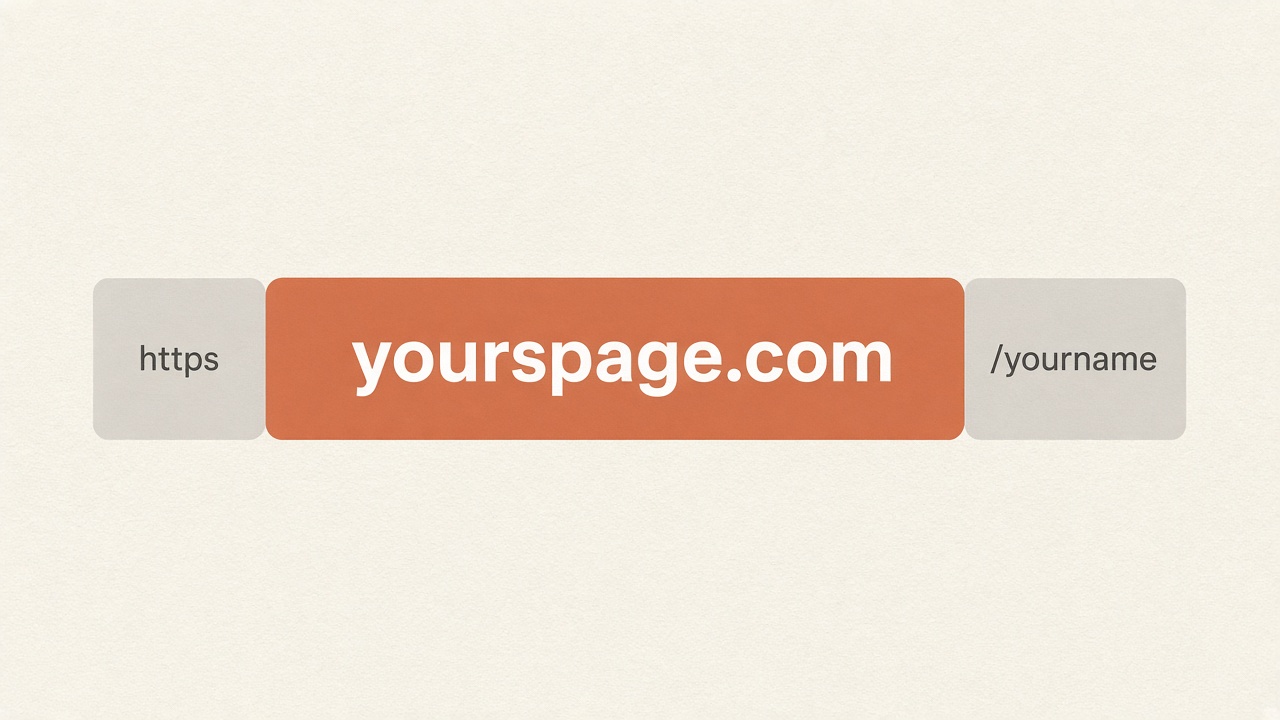
The host is the site name. It sits after https:// and before the first slash. In https://yourspage.com/yourname the host is yourspage.com. That name is ours. Your page lives on it until you connect a name of your own.
The path that follows, /yourname, is the page. The host is only which site the browser asks.
A hostname you already own
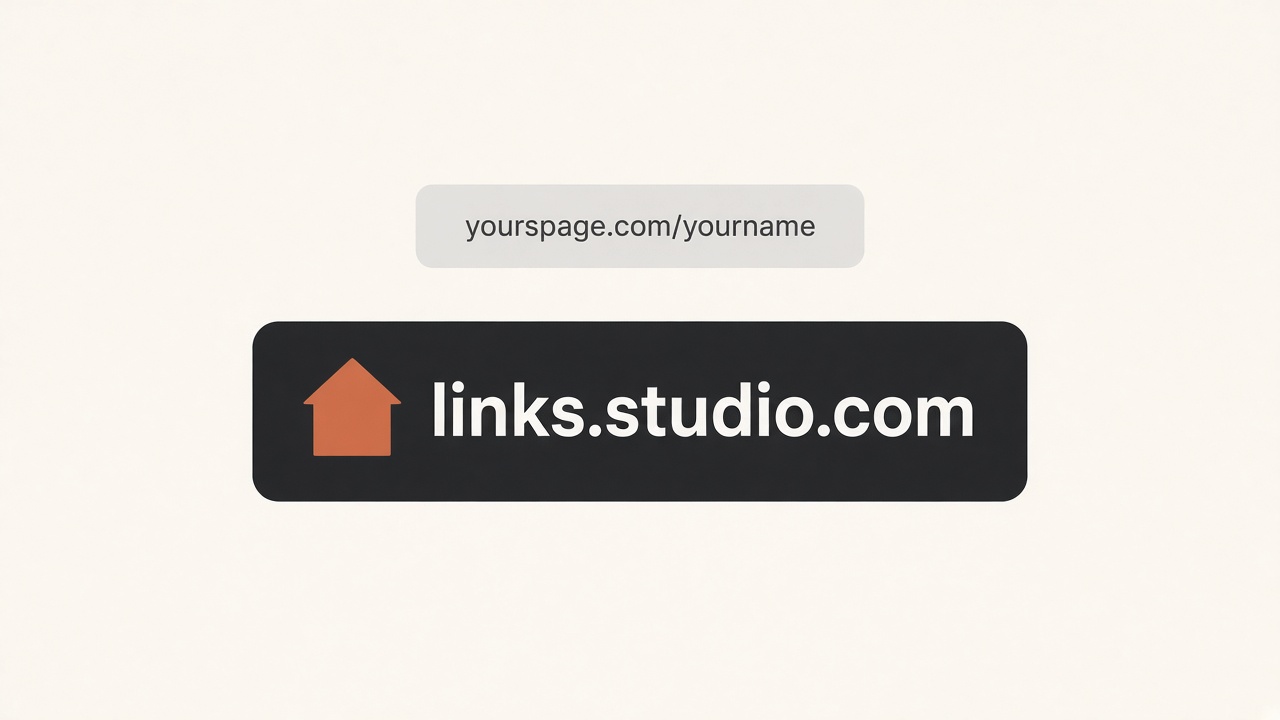
The name in the address can be yours. Point a hostname you already own at the page with one DNS record. A usual shape is https://links.yourname.com. People open the page at that host. SSL is included. We do not sell the domain, and we do not keep it if you leave. You still pay the registrar.
A username URL still works the day you publish, if you skip the domain. The steps, including the one record, are on the custom domain page.
The path
The path is the part after the host. On our host it is /yourname. That segment is your username page. It is the link you paste in a bio.
You can fill the draft before you pay. Other people can open the address only after you publish. Publishing is $5.99 a month, $49 a year, or $149 once. The amounts are on pricing. On a hostname you own, the address you share is the host itself, https://links.yourname.com, not https://yourspage.com/yourname.
The query string
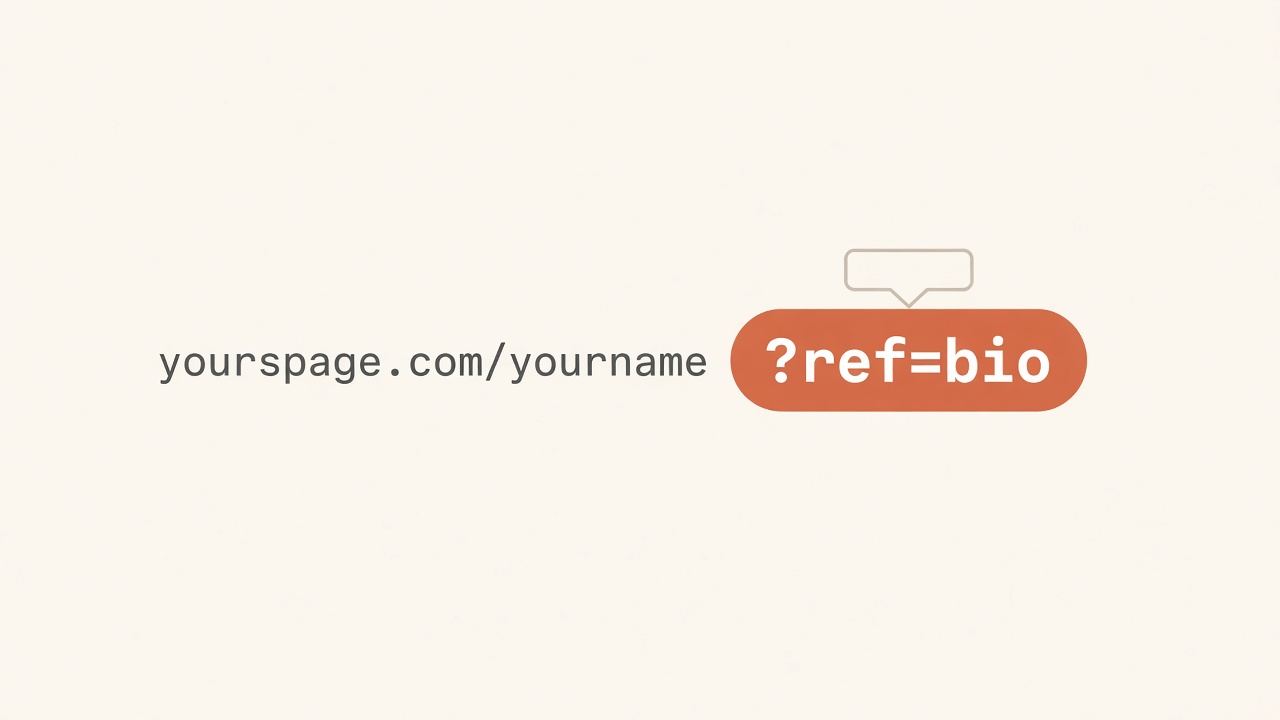
A query string starts at the question mark. It is extra instructions on a URL, written after the path. https://yourspage.com/yourname has no question mark, and the page still opens.
The public page does not need a query to work. You do not add one to publish, and you do not add one to paste the link. If some other tool put a question mark on a link, the same page still opens.
The fragment
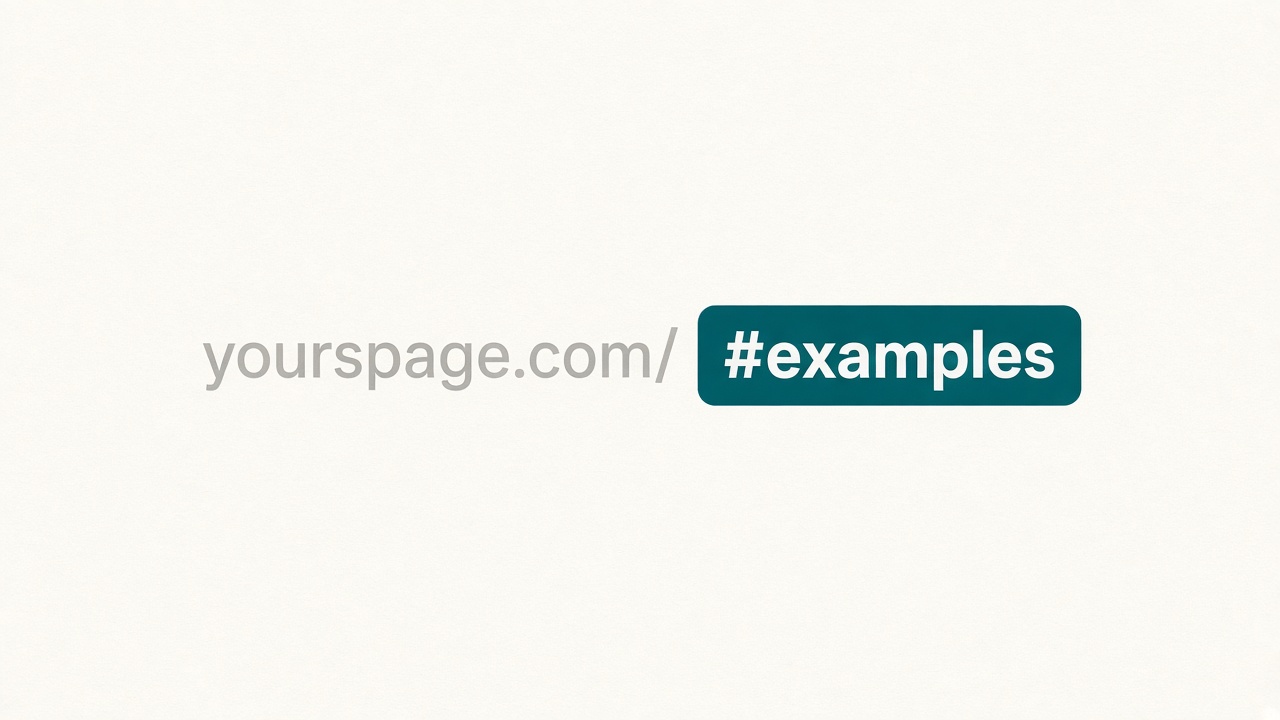
The fragment is the part after a hash. The browser keeps it. It marks a place on the page already open. It does not ask the server for a different page.
On the homepage, /#examples scrolls to the examples. The hash is examples. A published page opens without a hash. You do not add one to https://yourspage.com/yourname to make the page load.
What a URL is not
It does not shorten another address into a redirect. The published URL is the page. Paste it, and the browser opens that page.
It is not the profile address on Instagram, TikTok, X, YouTube, LinkedIn, GitHub, or Substack. Those sites have their own addresses. This URL is the one you paste into the website field so someone can leave and open your page.
It is not a full website by itself. It is one page: the blocks you add, on a theme. A shop you already run stays a link, and checkout stays there. An event is a date, a title, a place, and a link. The block does not take bookings. The rest of the product is on features.
Questions
What is a URL?
A URL is one address that opens one page. On Page the username form is https://yourspage.com/yourname. If you connect a hostname you already own, the address you share is that host, such as https://links.yourname.com.
What do the parts of the address do?
https is the scheme, the encrypted connection. yourspage.com is the host on a username URL. /yourname is the path, your page. A question mark would add a query, and a hash would add a fragment. The public page needs neither.
Can the host be a name I already own?
Yes. Add one DNS record for a hostname you already own. SSL is included when you publish. You still pay the registrar for the name. We do not sell the domain, and we do not keep it if you leave. A username URL still works if you skip this.
Does the page need a question mark or a hash?
No. https://yourspage.com/yourname opens with no query string and no fragment. A query is extra instructions on a URL. A fragment stays in the browser and does not request a different page. On our homepage, /#examples only scrolls to the examples.
When can other people open it?
You can build the draft before you pay. Other people can open the address only after you publish. Publishing is $5.99 a month, $49 a year, or $149 once.
Is this the same address as my profile on Instagram?
No. Instagram, TikTok, X, YouTube, LinkedIn, GitHub, and Substack each have their own profile address. This URL is what you paste into the website field on those profiles.